


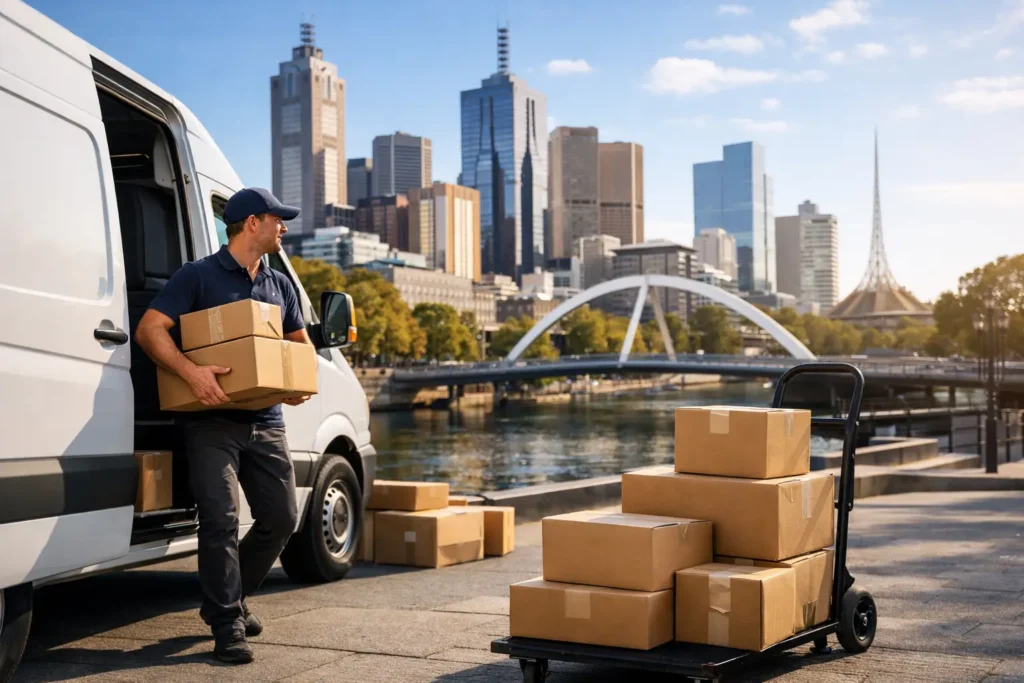
A signed contract left on a boardroom table, a replacement part needed before a site shuts, or medical items that cannot wait for the next mail collection all call for a different standard of delivery. This parcel transport service guide is for Melbourne customers who need a direct, professionally managed option when timing, handling and clear communication matter.
A taxi-based parcel service can collect from an address and travel directly to its destination, without parcels sitting in a depot or moving through several delivery runs. For urgent local jobs, that direct approach can make a practical difference. The right service depends on what you are sending, where it needs to go and how quickly the recipient needs it.
When a direct parcel service is the right choice
Parcel transport is most useful when standard courier timeframes are too broad or when a collection needs to happen outside usual business hours. A professional driver can collect from an office, home, clinic, hotel or worksite and take the item directly to the nominated address.
This is particularly valuable for legal documents, tender paperwork, keys, small business stock, forgotten travel essentials, samples, spare parts and medical parcels. Businesses also use direct parcel transport to keep a job moving when a supplier, client or team member needs an item urgently across Melbourne or in a surrounding regional area.
It is not always the cheapest option for a non-urgent box that can wait several days. Conventional freight may be better for large, heavy or low-value bulk consignments. A direct transport service is designed for the jobs where the cost of delay is higher than the cost of prompt delivery.
Parcel transport service guide: choosing the right vehicle
The size, weight and nature of the parcel should guide the vehicle you book. An envelope or small satchel may travel comfortably in a sedan, while cartons, equipment cases or several parcels may need a wagon, SUV or maxi cab. Providing accurate dimensions at the time of booking helps the operator allocate a suitable vehicle and avoid collection delays.
Think about access at both ends as well. A driver collecting from a loading bay, apartment building, hospital reception or busy office tower may need a clear collection contact, entry instructions and a mobile number. If the destination has restricted parking, security procedures or a specific receiving department, include those details before the vehicle arrives.
For fragile items, use secure internal packaging rather than relying on the vehicle alone. Cushion breakable goods, seal cartons properly and label the outside clearly. Drivers can transport parcels carefully, but packaging remains essential for protecting contents during normal road travel.
Medical parcels need extra clarity
Medical parcel transport can involve documents, non-controlled supplies, equipment, pathology-related materials or urgently required items for a patient or clinic. The booking should state any handling requirements, delivery deadline and the name of the authorised recipient.
Some items require specialised temperature control, regulated dangerous-goods procedures or clinical chain-of-custody arrangements. These should only be sent through a provider equipped and authorised to carry them. Be upfront about the contents so the service can confirm whether the job is appropriate and arrange it correctly.
Information to provide when booking
A reliable delivery starts before collection. Giving complete details allows the driver to arrive prepared and reduces the risk of missed handovers. For most jobs, provide the collection and delivery addresses, contact names and mobile numbers, parcel dimensions, approximate weight, and the required delivery time.
Also explain whether the parcel can be left at reception, must be handed to a named person or needs a signature. If it contains confidential documents, make that clear. If there is a reference number, purchase order or site code the recipient will need, place it visibly on the parcel and include it in the booking notes.
For a time-critical job, be realistic about the collection window. Melbourne traffic, weather, major events and roadworks can affect travel times, especially between suburbs and when travelling to regional Victoria. Booking as early as possible gives the transport provider the best chance of allocating the right vehicle and planning the most efficient route.
How to prepare a parcel for safe delivery
A direct driver service reduces handling points, but good preparation still protects the sender and recipient. Use a sturdy satchel, carton or case that is properly closed. Place the recipient details on the outside and keep a copy of the information yourself.
Avoid sending cash, prohibited goods, illegal substances, weapons, unprotected sharp items or anything that could leak, damage the vehicle or put the driver at risk. Do not assume a parcel can be carried simply because it fits in the boot. If the contents are unusual, valuable, fragile or restricted, disclose this when you make the booking.
For confidential paperwork, a sealed envelope or tamper-evident satchel provides an extra layer of reassurance. For multiple boxes, number them clearly – for example, 1 of 3, 2 of 3 and 3 of 3 – so the recipient can quickly confirm that the full consignment has arrived.
Direct delivery versus standard courier networks
Standard courier networks suit planned deliveries and larger distribution volumes. They can be economical, especially when delivery time is flexible. However, their depot-based model may involve sorting, transfers and broad delivery windows.
Direct parcel transport is different. The driver collects the item and travels to the delivery address, making it well suited to same-day and urgent jobs. It can also be a practical after-hours option for businesses that operate beyond standard courier cut-off times.
The trade-off is that direct transport is priced for a dedicated vehicle and driver. Distance, vehicle type, timing and any special requirements can affect the cost. Before confirming, make sure the quote and service expectation match the urgency of your job.
Professional delivery standards to expect
A parcel is often more than a box. It may represent a deadline, a customer commitment or an essential item that someone is waiting for. A dependable service should treat the collection and handover with the same professionalism expected from premium passenger transport.
Look for clear booking communication, punctual collection, a well-maintained vehicle and a professional driver who follows the provided instructions. A good provider should be able to discuss suitable vehicle options, advise if the parcel falls outside the service scope and confirm the appropriate delivery arrangement.
For corporate clients, consistency matters. Regular deliveries may need account details, recurring collection points, preferred contacts and clear billing arrangements. A transport partner that understands these routine requirements can help offices, clinics and local businesses avoid last-minute confusion.
Melbourne Silver Taxi Cab provides direct parcel transport for customers who need reliable collection and delivery across metropolitan Melbourne and selected regional destinations. With pre-booked and urgent transport options, the focus is on prompt service, professional drivers and a vehicle suited to the job.
Making urgent deliveries less stressful
The fastest way to create problems is to book at the last minute with incomplete information. Keep your parcel ready, confirm the recipient is available and have collection instructions prepared before the driver arrives. A quick call to the receiving contact can prevent an urgent delivery from becoming a second trip.
Where possible, allow a sensible buffer before a flight, meeting, site closure or medical appointment. Direct parcel transport gives you more control over the delivery journey, but road conditions and recipient availability still matter.
When the item is important, choose a service that treats the job with the urgency it deserves, prepare the parcel properly and make the handover easy. That is how a critical Melbourne delivery stays a straightforward task rather than becoming the day’s biggest disruption.