


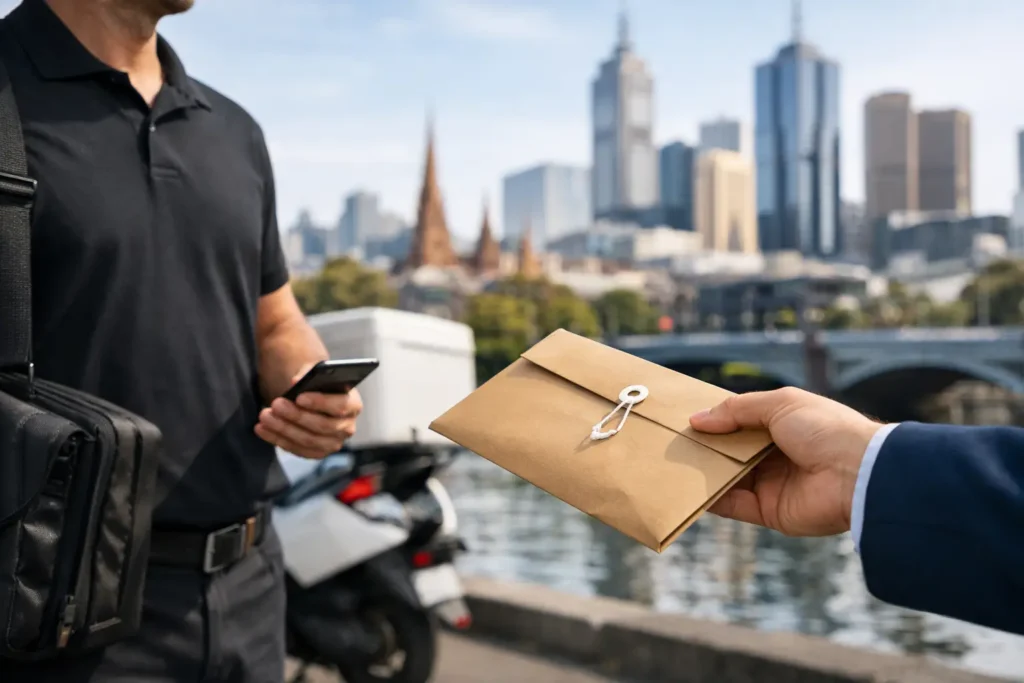
A signed contract left at home, tender documents due before close of business, or medical paperwork needed at another clinic can quickly become a costly delay. Knowing how to send urgent documents safely means more than finding the nearest driver. You need a clear collection plan, a reliable handover and a transport provider that understands the time matters.
For Melbourne businesses, families and professionals, a taxi parcel delivery can be a practical same-day option when standard post or a scheduled courier window is simply too slow. The key is preparing the documents properly and giving the driver the information needed to complete the job without unnecessary calls, confusion or waiting.
How to Send Urgent Documents Without Delays
Start by confirming the deadline and working backwards. Ask the recipient when the documents must physically arrive, not just when they need to be sent. A document needed for a 3 pm meeting may need to reach reception by 2.45 pm, allowing time for security, lift access and delivery to the correct person.
Next, check the collection address, recipient address and direct contact numbers. Office towers, hospitals, schools and apartment buildings often have specific loading zones, concierge desks or entry requirements. A complete address should include the business name, level, department or reception point where relevant. If the recipient is meeting the driver outside, nominate a precise location rather than relying on a broad street address.
When booking an urgent document delivery, provide the collection time, the deadline, the size of the envelope or satchel, and any special handling instructions. Be direct about whether the driver needs to wait for the item, collect it from reception, or obtain a signature at delivery. These details help the trip run efficiently from the first dispatch.
A dedicated taxi delivery is particularly useful when the item should travel directly from one address to another. Unlike a multi-stop parcel network, the driver can collect the envelope and proceed to the destination, subject to traffic conditions and any agreed stops. For time-sensitive paperwork, that direct trip can remove much of the uncertainty.
Prepare Documents for Secure Transport
Urgent does not mean unprotected. Place paperwork in a sealed envelope, document wallet or rigid satchel that suits its size. Thin, loose pages can crease, slip behind a seat or be mixed with other materials during a rushed handover. Clearly write the recipient’s name, organisation and mobile number on the outside, but avoid putting confidential details where they can be read by others.
For sensitive documents such as legal files, financial information, medical referrals or identification records, use an opaque sealed envelope. Consider placing a second label inside the package with the delivery details in case the outer label is damaged. If the documents contain highly confidential information, tell the transport provider that a direct hand-to-hand delivery and confirmation of receipt are required.
Before the driver arrives, take a quick photo or scan of essential pages where appropriate. This is not a replacement for the original document, but it can protect your workflow if an office asks for details before the hard copy arrives. Keep the digital file secure and only send it through approved channels if the recipient authorises that option.
Do not send cash, dangerous goods, illegal items or anything prohibited by the transport provider. Original passports, irreplaceable certificates and items with exceptional value need extra consideration. In some cases, collecting them in person or using a specialist secure service may be the better decision. The right option depends on the document, the risk involved and the recipient’s requirements.
Make the handover specific
A strong chain of instructions is often more valuable than a vague request to ‘drop it off’. Tell the sender exactly who will hand over the package and tell the recipient who is arriving. Where possible, give the driver a named contact at both ends.
If collection is from an office, ensure the envelope is ready at reception before the taxi arrives. If it is from a home, have it sealed and labelled at the door. Every minute spent searching for paperwork or calling an unavailable contact can put an otherwise achievable deadline at risk.
For a delivery to a busy location, request a name, signature or confirmation message from the receiving point. A receptionist may be the appropriate recipient, but only if they are authorised to accept the documents. For legal, medical or corporate material, specify whether the envelope must go only to a named person.
Choose the Right Delivery Method
The best method depends on urgency, distance and the nature of the documents. Standard mail can suit paperwork with no strict deadline. A conventional courier may suit larger packages or routine business deliveries, particularly where a delivery window is acceptable.
For an item that must move across Melbourne now, a pre-booked taxi parcel delivery can offer a more responsive option. It is well suited to envelopes, small document satchels, forgotten files, signed agreements and paperwork that needs direct transport between offices, homes, clinics or meeting venues. A professional driver and well-maintained vehicle also provide a more comfortable, dependable experience for sensitive business errands.
Traffic still matters. Peak-hour congestion, roadworks, major events and weather can affect travel time, especially around the CBD and inner suburbs. Build a realistic buffer rather than assuming every cross-city journey will take its shortest map estimate. If a deadline is fixed, book as early as possible and advise the recipient that the documents are on their way.
Melbourne Silver Taxi Cab can assist with urgent parcel and document deliveries across metropolitan Melbourne, including business and residential collections in areas such as Richmond, Hawthorn, Brighton, Point Cook and Werribee. For longer trips into regional Victoria, confirm the destination and required arrival time when booking so the most suitable transport arrangement can be organised.
Give Clear Instructions When You Book
The booking conversation should answer the questions a driver would otherwise need to ask during the trip. This reduces interruptions and keeps the delivery moving. Have these details ready:
- collection and delivery addresses, including level, suite or reception details
- the name and mobile number of a contact at each location
- the required delivery deadline and whether the driver should travel directly
- the package size, number of envelopes and any confidential handling requirements
- whether a signature, photo confirmation or recipient message is needed
Be honest about timing. If a document is needed in 30 minutes but the collection point is on the other side of the city, the booking team can give practical guidance rather than making a promise that traffic may prevent. Reliable service is built on accurate information, realistic travel times and clear communication.
What to do if the recipient cannot be reached
Nominate a backup contact before collection. This could be a colleague, building concierge, clinic receptionist or family member authorised to receive the envelope. Without a backup plan, a driver may arrive on time but be unable to complete the handover.
If there is no authorised alternative, ask whether the driver can wait and what waiting charges may apply. For some documents, leaving the envelope unattended is not acceptable. It is better to decide this before the vehicle departs than when the driver is already at the destination.
Keep a Record of the Delivery
For routine paperwork, a confirmation from the recipient may be enough. For business-critical, medical or legal documents, keep a simple record of the time collected, driver booking reference, recipient name and time delivered. This can help your team follow up confidently and demonstrate that reasonable steps were taken to send the item promptly.
If the recipient says the documents have not arrived, first check the exact delivery point. In large buildings, paperwork may be at mailroom reception, a security desk or another department. A named recipient and delivery confirmation make these situations far easier to resolve.
When time is tight, the calmest approach is usually the fastest: seal the documents, confirm both contacts, book direct transport and make sure somebody is ready at each end. A few minutes of preparation can turn an urgent document run from a stressful scramble into a professional, trackable delivery.