


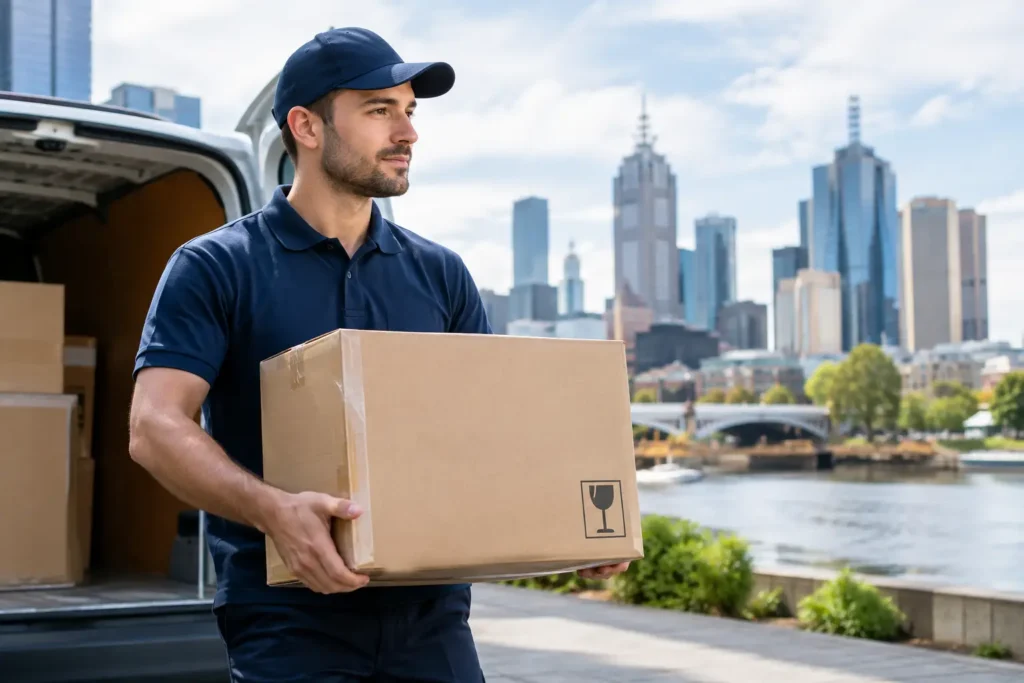
A fragile parcel can be perfectly packed and still arrive damaged if it is rushed through the wrong delivery process. Knowing how to transport fragile parcels means thinking beyond the box: the item needs protection from impact, vibration, pressure, heat and unnecessary handling from collection through to final delivery.
For Melbourne businesses, medical practices, retailers and households, the best approach depends on what is being sent, how urgently it is needed and whether it can safely travel through a large freight network. Glassware, electronics, artwork, samples, instruments and confidential medical items all need a transport plan that matches their risk.
Start with the item, not the packaging
Before choosing a box or booking a driver, assess what makes the item fragile. A ceramic vase may break from a single sharp impact. A laptop can be damaged by sustained vibration or pressure on its screen. Temperature-sensitive medical supplies may need controlled conditions as well as careful handling.
Check the item for existing damage and take clear photos before packing. This gives you a record of its condition and helps identify any weak points that need extra protection. Remove detachable parts where practical, such as loose lids, cables, stands or accessories, and pack these separately within the same parcel.
The parcel should be no larger or heavier than necessary, but it must leave enough room for protective cushioning. A box that is too tight transfers every knock directly to the item. One that is too large allows the contents to shift during cornering, braking and loading.
How to transport fragile parcels with secure packing
Good packing creates layers of protection. Wrap the individual item first, then cushion it inside a strong outer carton. For particularly delicate goods, use a double-box method: place the wrapped item in a smaller box, cushion that box, then place it inside a larger carton.
Use clean, suitable materials that absorb movement. Bubble wrap, foam inserts, corrugated cardboard dividers and void fill can all work well when used properly. Paper can be effective for light items, but it should be packed firmly enough to prevent movement rather than loosely scrunched around the object.
Avoid relying on a label that says “Fragile” to do the work of packaging. Labels are useful instructions, but they do not stop parcels from being stacked, tilted or bumped. The packaging itself must protect the contents even if the vehicle travels over uneven roads or the parcel is moved more than once.
Once sealed, perform a gentle movement test. If you can feel or hear the item shifting, reopen the parcel and add more cushioning. Reinforce the base and seams with quality packing tape, especially for heavier items. A parcel that opens in transit is more than an inconvenience – it can expose sensitive contents and create a safety risk for the driver.
Protecting common fragile items
Glass and ceramics should be individually wrapped, with extra attention around handles, rims and corners. Keep multiple glass items separated so they cannot strike each other. Electronics need anti-static protection where appropriate, firm padding around the edges and protection from moisture. Original manufacturer packaging is often the safest option for laptops, monitors and similar equipment.
Artwork, framed photographs and mirrors need corner protectors and rigid flat packaging. Do not simply wrap a framed item in bubble wrap and send it loose. Bottles and containers require leak-proof sealing as well as cushioning, because a spill can damage the parcel and anything travelling beside it.
Medical parcels need special care. Clearly communicate whether the item is delicate, confidential, time-critical, upright-only or temperature-sensitive. Do not write sensitive patient information on the outer package. Use an agreed reference number or recipient details that allow secure handover without disclosing private information.
Choose direct transport when the risk is high
A standard multi-stop courier network may suit durable, low-value goods, but it is not always the right choice for a fragile or urgent parcel. Each depot scan, conveyor belt, transfer and vehicle change adds another handling point. More handling usually means more opportunity for drops, compression and delay.
For valuable, awkward, confidential or time-sensitive items, direct door-to-door transport provides better control. The parcel is collected from your address and taken to the recipient without being passed through multiple facilities. It also allows you to speak directly with the driver about handling instructions at collection.
This can be particularly useful for same-day deliveries between Melbourne suburbs, or when an item needs to reach a regional Victorian destination without sitting in a depot overnight. A professional taxi parcel service can be a practical option for smaller consignments that need prompt, attended transport rather than bulk freight processing.
When booking, provide accurate collection and delivery addresses, the parcel dimensions, approximate weight, number of pieces and any special requirements. Mention if the parcel must stay upright, cannot be stacked, requires a signature, or contains a fragile item with a high replacement cost. Clear information helps ensure the right vehicle and handling plan are arranged from the outset.
Make the vehicle part of the protection plan
The right vehicle is not just about whether the parcel fits. It is about where it can sit securely for the journey. A small, well-packed parcel may travel safely in a sedan, while larger cartons, boxed equipment or multiple parcels may need a wagon, SUV or maxi cab with sufficient flat space.
Fragile parcels should be positioned on a stable surface and secured so they cannot slide, tip or fall over. They should not be placed under heavy luggage, pressed against sharp-edged equipment or left loose in a boot. For tall items, keeping the package upright may be essential, but only if it can be secured safely.
Road conditions matter too. Melbourne traffic often involves frequent braking, lane changes and stop-start travel. A careful driver anticipates these conditions, takes corners smoothly and avoids sudden movement where possible. This is one reason a dedicated, professional delivery service can offer greater reassurance than asking a friend to carry an important parcel on an already busy trip.
Plan collection and handover carefully
The moment of collection and delivery is where many avoidable mistakes happen. Have the parcel packed, sealed and labelled before the driver arrives. If the recipient is in an office, apartment building, hospital or secure facility, confirm where the driver should go and who is authorised to receive the item.
For high-value or sensitive deliveries, request a named recipient and proof of delivery. A signature, recipient name or confirmation message creates a clear handover record. If nobody is available at the destination, decide in advance whether the driver should call you, wait briefly, return the parcel or take it to an alternative authorised contact.
Do not leave a fragile parcel unattended at a front door, reception desk or loading bay unless the recipient has specifically approved it. Rain, heat, theft and accidental knocks can all cause problems after the driving is finished. A secure hand-to-hand delivery is often worth the extra coordination.
Use clear, useful labels
The delivery label should be legible, waterproof and fixed securely to the largest flat side of the carton. Include the recipient’s full name, mobile number, address, unit or suite number where relevant, and any delivery instructions that genuinely assist the driver.
Use handling labels such as “This Side Up” or “Fragile” where they apply, but keep them visible and consistent. Avoid covering the parcel with conflicting labels. If the contents are confidential, keep descriptions general on the outer packaging and provide specific handling details directly to the transport provider.
Know when extra protection is worth it
Not every fragile parcel needs the same level of service. A replacement mug travelling locally has different requirements from a signed legal document, a medical specimen or a one-off piece of artwork. The right choice balances the value of the item, replacement difficulty, urgency and potential consequences of damage or delay.
For irreplaceable, regulated or high-value items, consider additional protective packaging, a direct vehicle and a confirmed handover. For less critical goods, secure packing and a reliable booked service may be sufficient. The key is not to understate the parcel’s needs simply to save a small amount on transport.
A fragile parcel deserves the same attention you would give it if you were carrying it yourself. With secure packing, clear instructions and a direct, professionally handled trip, Melbourne Silver Taxi Cab can help move important parcels with the care, punctuality and accountability they require.