


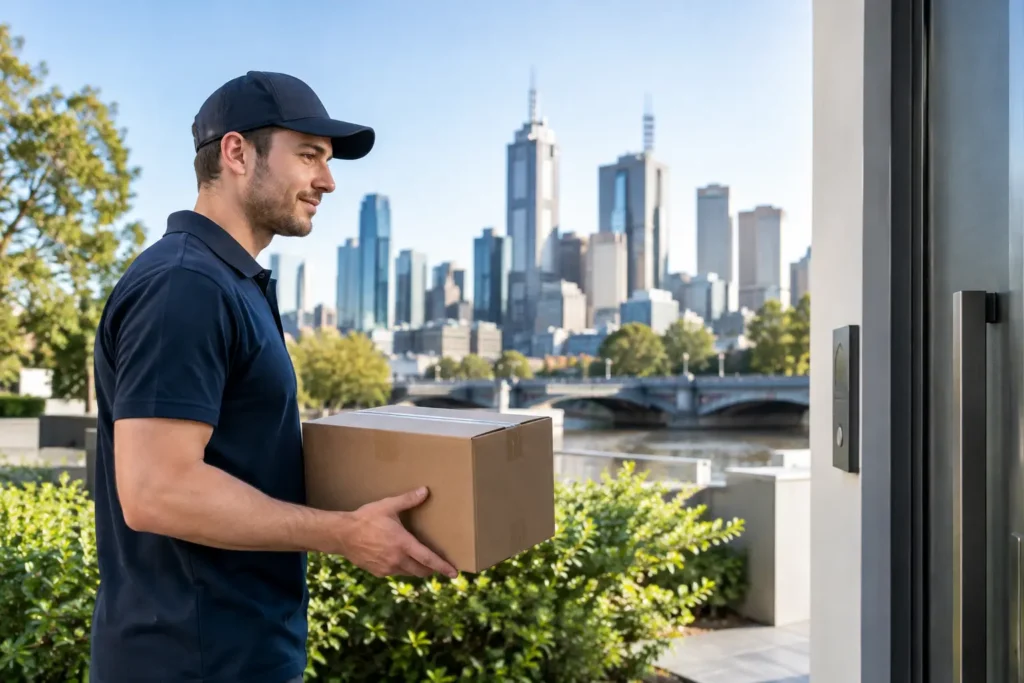
A forgotten laptop needed for a morning meeting, signed documents required before settlement, or a medical item that cannot sit in a depot overnight all call for more than a standard courier booking. Secure parcel delivery methods protect the item, the delivery timeframe and the proof that it reached the right person. For Melbourne households and businesses, the best option depends on what is being sent, how quickly it is needed and how much visibility is required along the way.
A parcel is not truly secure simply because it is packed in a box. Security starts before collection and continues until the recipient confirms handover. That is particularly relevant for time-sensitive deliveries across Melbourne, where traffic, building access and missed calls can quickly turn a straightforward trip into an expensive delay.
What makes a parcel delivery secure?
Secure delivery means reducing avoidable risk at each point of the job. The sender should know who is collecting the parcel, where it is going, who is authorised to receive it and what will happen if the recipient is unavailable. A clear booking record and direct communication are often more valuable than a low advertised price.
For urgent items, a dedicated vehicle service offers a different level of control from a multi-stop courier run. The parcel travels directly from collection to destination rather than being transferred between sorting facilities, drivers or depots. Fewer handling points generally mean fewer opportunities for loss, damage or delivery to the wrong address.
This does not mean every parcel needs a dedicated car. Standard courier networks suit non-urgent, low-value goods that can tolerate longer delivery windows. However, direct delivery is usually the stronger choice for legal documents, electronics, confidential paperwork, keys, medical parcels, prototypes and items required the same day.
Secure parcel delivery methods that suit the job
The right method comes down to urgency, value, size and the consequences of a failed delivery. A sensible provider will ask these questions before accepting the booking, not after the parcel has already been collected.
Direct point-to-point delivery
A direct taxi parcel service is designed for items that need to move promptly from one address to another. A professional driver collects the parcel and travels to the nominated destination without it entering a wider freight network. This approach is well suited to urgent documents between offices, replacement equipment, keys left at home or hotel, and small business stock needed by a customer that day.
The main benefit is accountability. The sender deals with one service and one driver journey, rather than tracking a parcel through several stages. It can also be more practical outside regular courier cut-off times, including early mornings, evenings and weekends.
Direct delivery is not always the cheapest option for a low-priority item. It is, however, often the most cost-effective option when a missed deadline means lost work, a delayed appointment or a frustrated client.
Signature or named-recipient handover
A secure parcel should not be left in a foyer, on a doorstep or with an unidentified person unless the sender has specifically approved it. For sensitive or valuable items, nominate a recipient by name and include a contact mobile number. The driver can call on arrival and hand the parcel directly to that person.
This method is particularly useful for office buildings, medical practices and apartment complexes, where reception staff, concierge teams and restricted floors can complicate access. If someone else may receive the item, provide their full name and role in advance. Clear instructions prevent the common problem of a parcel arriving at the correct building but being handed to the wrong desk.
Proof-of-delivery confirmation
Proof of delivery gives the sender confidence that the job is complete. Depending on the item and service arrangement, this may involve a signature, a recipient name, delivery time, confirmation by phone or a delivery photo where appropriate.
For confidential documents or medical items, avoid requesting photos that reveal private information. A recorded recipient name and time of handover may be the better option. The goal is evidence of delivery without creating another privacy risk.
Pre-booked and time-critical collection
Some deliveries are urgent because they must arrive by a particular time, not simply because they need to leave quickly. Pre-booking allows collection and delivery requirements to be planned around the job. This is helpful for airport-related items, event materials, court documents, business presentations and medical supplies needed for a scheduled appointment.
When booking, give the actual deadline rather than saying the parcel is urgent. “Required at Richmond by 10.30 am” helps the transport provider assess timing, route and vehicle availability far better than a general request for fast delivery.
Packaging is part of parcel security
Even the most careful driver cannot protect an item that has been poorly packed. Choose a rigid box or padded satchel that fits the contents closely, then seal it with strong tape. Fragile items need internal cushioning so they cannot move around during normal road travel.
Write the delivery address clearly and include the recipient’s mobile number. Place the sender’s contact details inside the package as well as on the outside. If the label is damaged, the parcel can still be identified and returned or redirected.
Avoid writing unnecessary descriptions such as “valuable jewellery” or “confidential payroll records” on the exterior. Use a booking reference or a neutral description instead. If contents are sensitive, tell the delivery provider privately so appropriate handling can be arranged.
Before collection, check these four details:
- the full street address, suburb, postcode and any suite, level or unit number;
- the recipient’s name and mobile number;
- building access instructions, including reception hours or loading-bay entry; and
- the parcel size, weight and whether it is fragile, perishable or time-critical.
Accurate information is a security measure. A missing unit number or switched mobile can result in a parcel waiting in an unsecured location or returning to the sender unnecessarily.
Extra care for medical and confidential parcels
Medical parcel transport requires particular attention because the contents may be private, fragile or sensitive to temperature and time. The sender should confirm whether the item needs to remain upright, protected from heat, delivered within a particular timeframe or received only by authorised staff.
Do not assume every driver or vehicle can transport specialised medical materials. Items involving dangerous goods, controlled substances, biological samples or strict temperature controls may require a specialist provider, specific packaging and documented procedures. Being upfront about the contents helps protect everyone involved and prevents a collection that cannot legally or safely proceed.
Confidential business material needs similar discipline. Keep paperwork in a sealed envelope or tamper-evident satchel, nominate a named recipient and request direct handover. If the delivery is to a shared workplace, do not rely on vague instructions such as “leave it with someone at reception”.
Choosing a delivery provider in Melbourne
A reliable local delivery provider should be easy to contact, clear about collection and delivery expectations, and able to provide a realistic timeframe. For a direct delivery, ask whether the parcel will travel straight to the destination or be combined with other jobs. Neither approach is automatically wrong, but they serve different needs.
Also ask how the driver will manage an unavailable recipient. The best answer is not “we will leave it somewhere safe” unless that arrangement has been authorised by the sender. A secure process includes calling the recipient, contacting the sender for instructions and recording the final handover.
Vehicle choice matters too. Documents and small packages may travel comfortably in a sedan, while boxed equipment, multiple parcels or awkward items may need a wagon, SUV or maxi cab. The parcel should be secured in the vehicle so it does not slide, tip or become damaged during braking and cornering.
For businesses sending regular items between offices, suppliers or clients, consistency is valuable. Keeping the same delivery instructions, authorised contacts and billing process reduces errors over time. It also helps staff book confidently when an urgent job arises outside standard office hours.
Book with clear instructions, not assumptions
For an urgent Melbourne delivery, the safest approach is usually simple: provide accurate details, use suitable packaging and choose a service that can take the parcel directly to the intended recipient. Melbourne Silver Taxi Cab can assist with prompt, professional point-to-point parcel transport when timing and careful handover matter.
The next time an item cannot be replaced, delayed or left unattended, treat the delivery instructions as seriously as the parcel itself. A clear handover plan gives both sender and recipient the confidence that the right item will arrive with the right person at the right time.